When people think about workforce readiness, one question often comes first: What kind of learning truly prepares students for real jobs?
For students preparing to enter today’s workforce — including students with disabilities —the answer is increasingly clear. Hands-on training plays a critical role in building skills, confidence and long-term success.
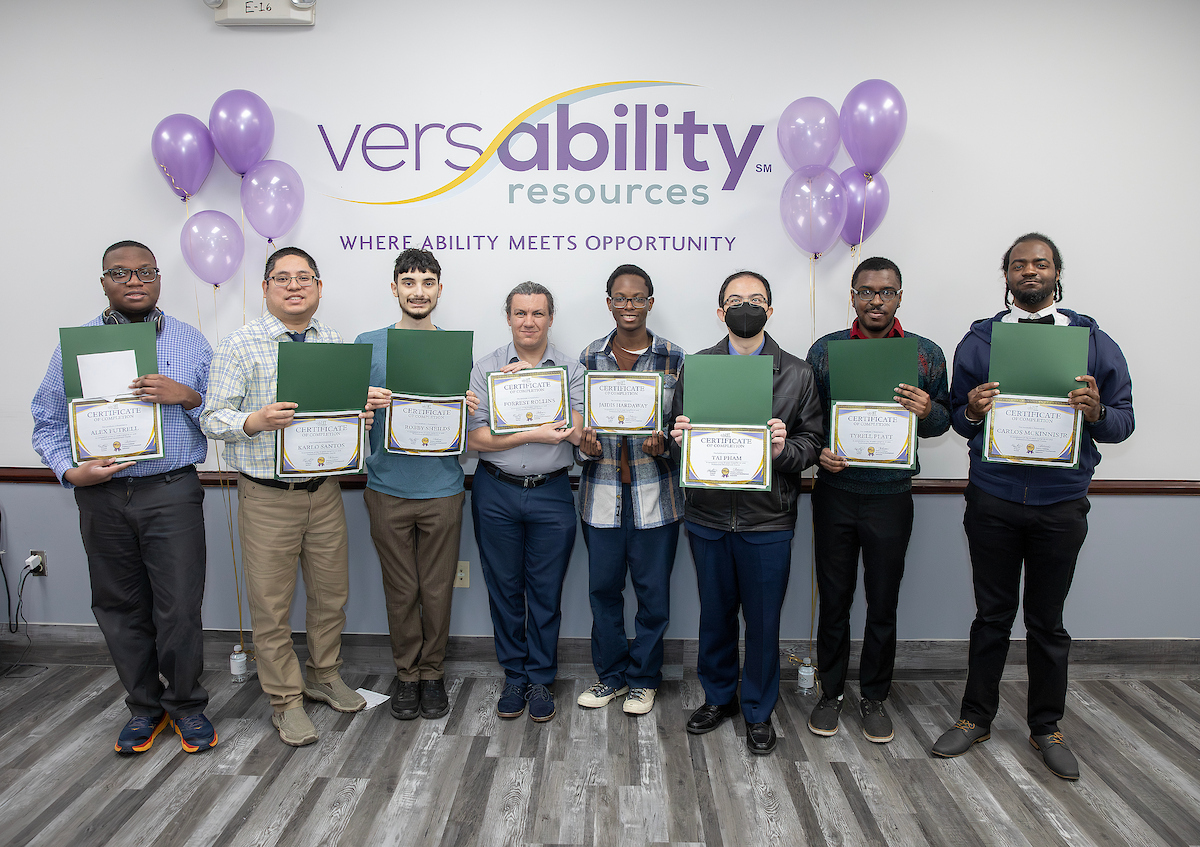
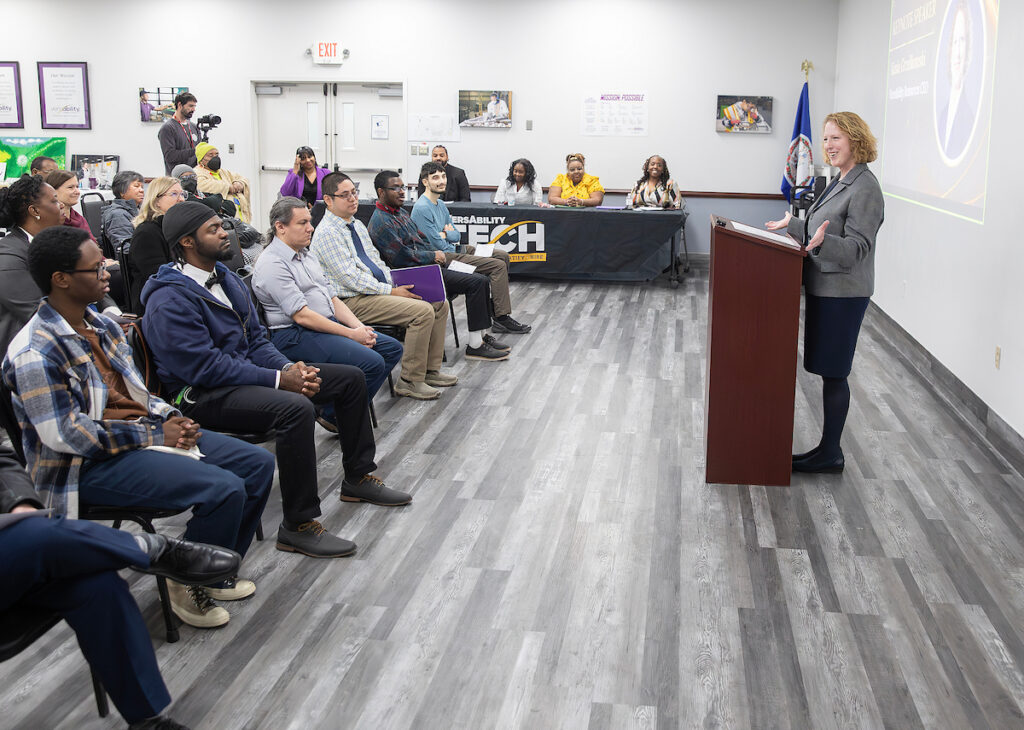
Through training programs offered by VersAbility TECH, experiential learning provides opportunities to learn by doing, turning potential into practical, employable skills. Building on VersAbility’s long-standing commitment to supporting people of all abilities, the program delivers inclusive training designed to meet the needs of a diverse range of leaners.
Learning by Doing Builds Real-World Skills
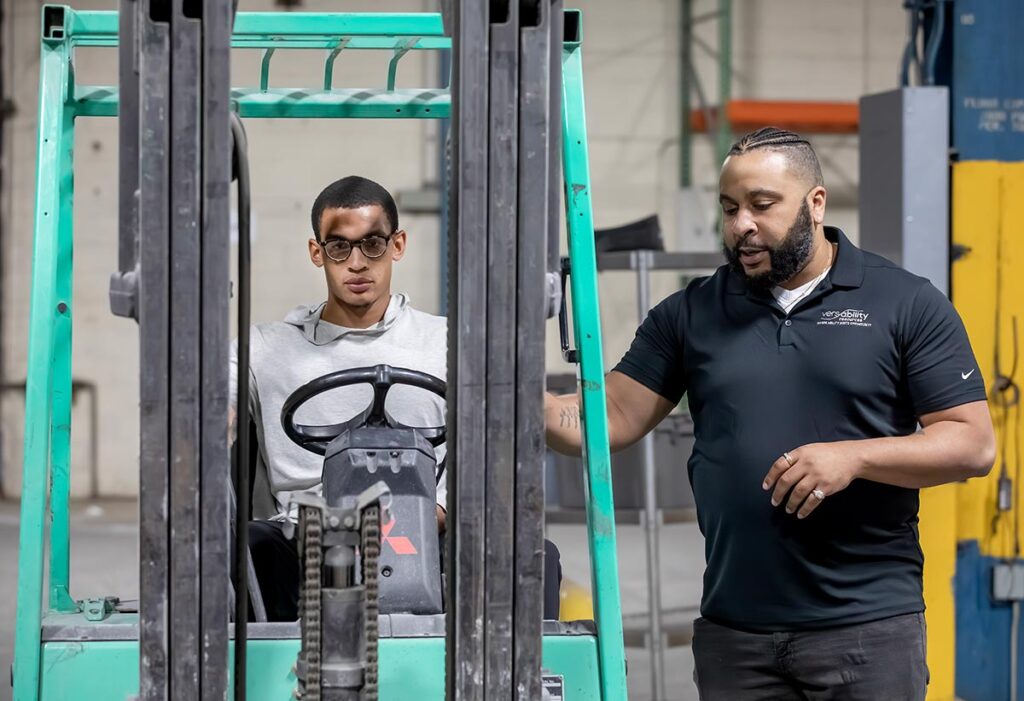
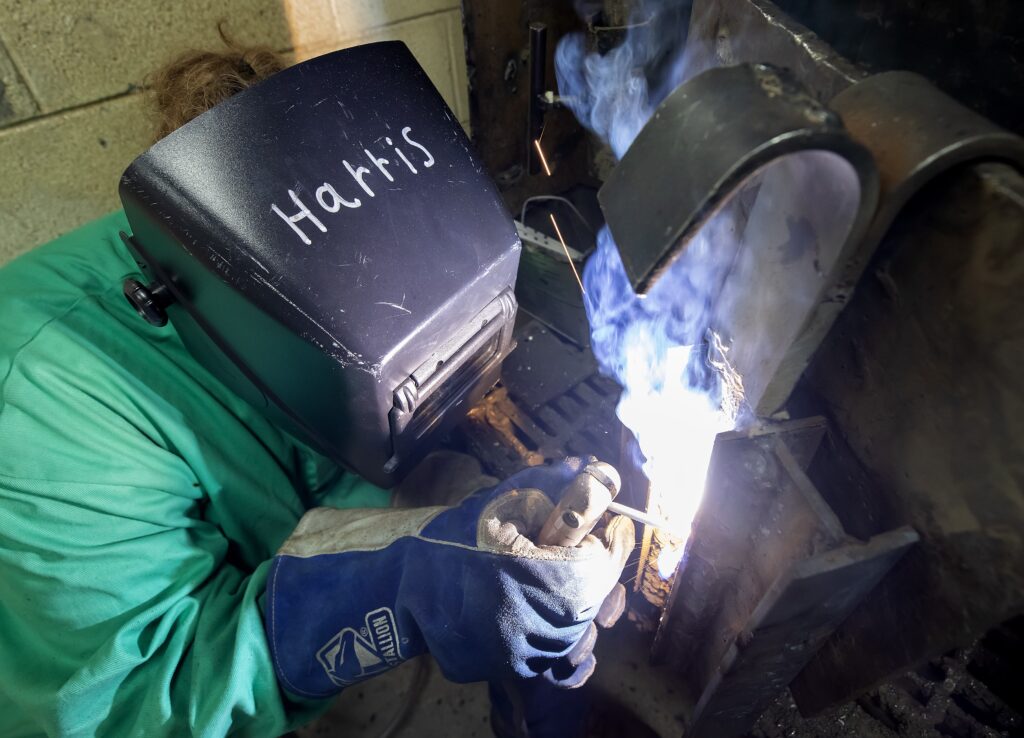
Hands-on training allows students to engage directly with tools, equipment and real workplace scenarios. Rather than relying solely on lectures or textbooks, students practice tasks they are likely to encounter on the job.
This approach helps learners:
- Understand how tasks are performed in real work environments
- Develop muscle memory and technical proficiency
- Improve problem-solving and critical thinking skills
- Retain information more effectively
For many students – including those with disabilities – active learning removes barriers that traditional classroom instruction may create.
Confidence Grows Through Experience
Confidence is a key component of employment success. Hands-on training helps students build confidence by allowing them to master tasks step by step in a supportive environment.
As students complete training milestones, they gain:
- A sense of accomplishment
- Increased independence
- Trust in their own abilities
- Motivation to pursue employment opportunities
These outcomes are meaningful not only for students, but for families who want to see their loved one succeed at work, and in everyday life.
Inclusive Training Meets Students Where They Are
Hands-on learning environments can be adapted to support a wide range of learning styles, physical abilities and communication needs. Training can be paced appropriately, reinforced through repetition and supported with visual, verbal or physical cues.
This flexibility helps ensure that:
- Students are not rushed or overwhelmed
- Skills are learned safely and effectively
- Individual strengths are recognized and built upon
Inclusive, experiential training acknowledges that there is no single path to success, and that every learner benefits from instruction designed with accessibility in mind.

Preparation for High-Demand Careers
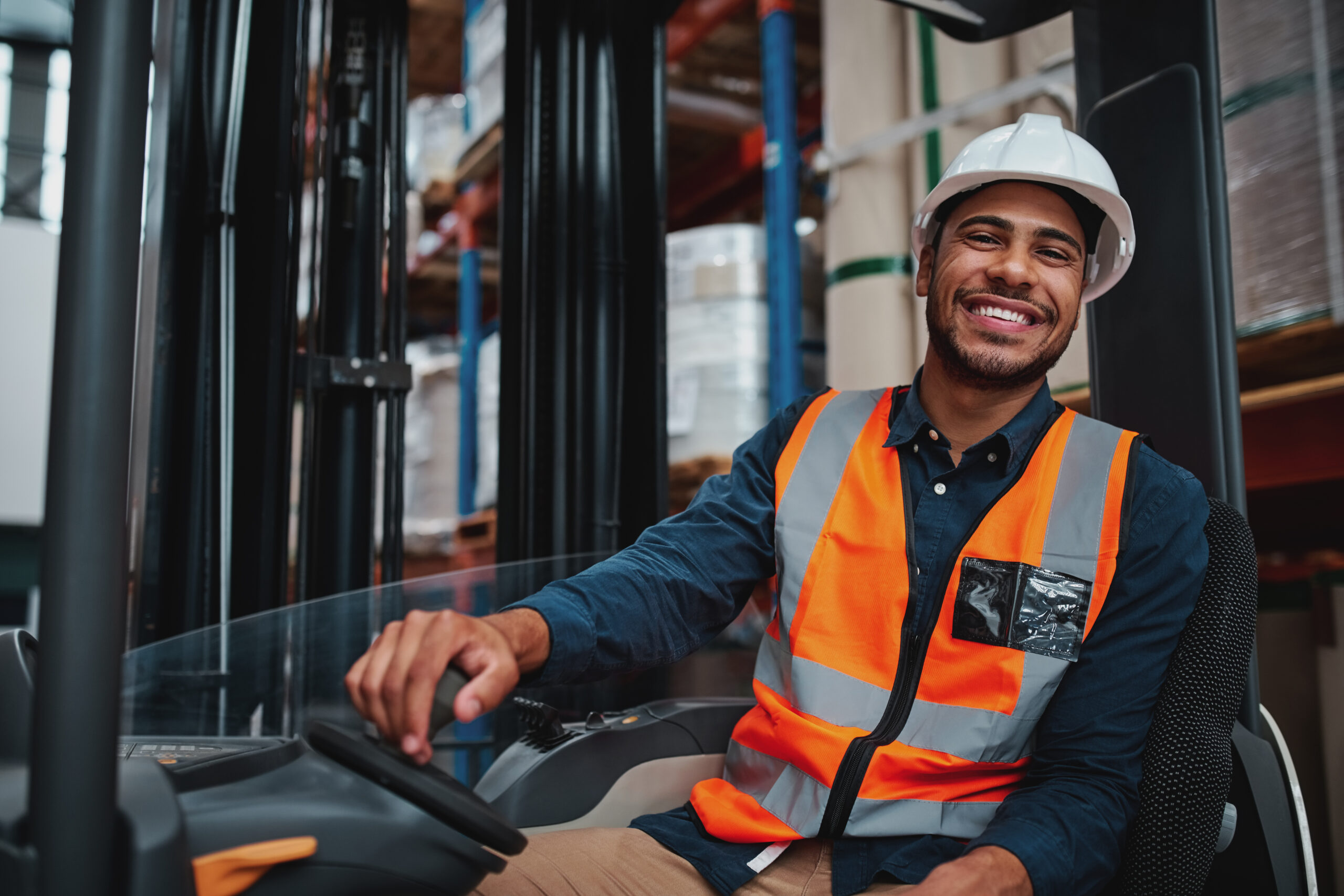
Employers consistently seek candidates who are ready to contribute on day one. Hands-on training prepares students for this expectation by exposing them to workplace standards, safety requirements and professional routines.
Students who complete experiential training programs are often better prepared for roles in:
- Warehousing and logistics
- Manufacturing and skilled trades
- Facilities and operations
- Distribution and supply chain support
These industries value reliability, safety awareness and practical skills, qualities that hands-on training helps develop.
Bridging the Gap Between Education and Employment
One of the greatest challenges facing students with disabilities is the transition from education to employment. Hands-on training helps bridge that gap by connecting learning directly to job outcomes.
Through structured training and workforce preparation, students gain:
- Job-ready technical skills
- Exposure to real workplace expectations
- Resume-building experience
- A clearer understanding of career pathways
Hands-on training is more than an instructional method. It is a pathway to confidence, independence and meaningful employment for students of all abilities.
Through VersAbility TECH, experiential learning helps ensure that every student has the opportunity to build skills that matter, prepare for high-demand careers and move toward a more independent future.
To learn more about VersAbility TECH training opportunities, visit versability.org/versability-tech/.